A. Purpose
Seattle REconomy is seeking proposals from qualified consultants or consulting teams to develop and facilitate a diversity, equity, and inclusion (DEI) training series for organizational leadership, including staff, board members, and committee volunteers.
As Seattle REconomy grows, we are seeking to build shared frameworks, language, and practical skills that support equity and inclusion across our organizational culture, practices, and community relationships.
We anticipate a series of 2-3 interactive sessions, approximately 2 hours each, delivered primarily in person over approximately 3-6 months. We are particularly interested in practical, participatory, and scenario-based learning rather than primarily lecture-based training.
- Proposal deadline: October 16th, 2026
- Finalist interviews: Late October / Early November
- Anticipated project period: Jan-Mar 2027
- Project budget: $4,000-10,000
B. Organizational Background and Context
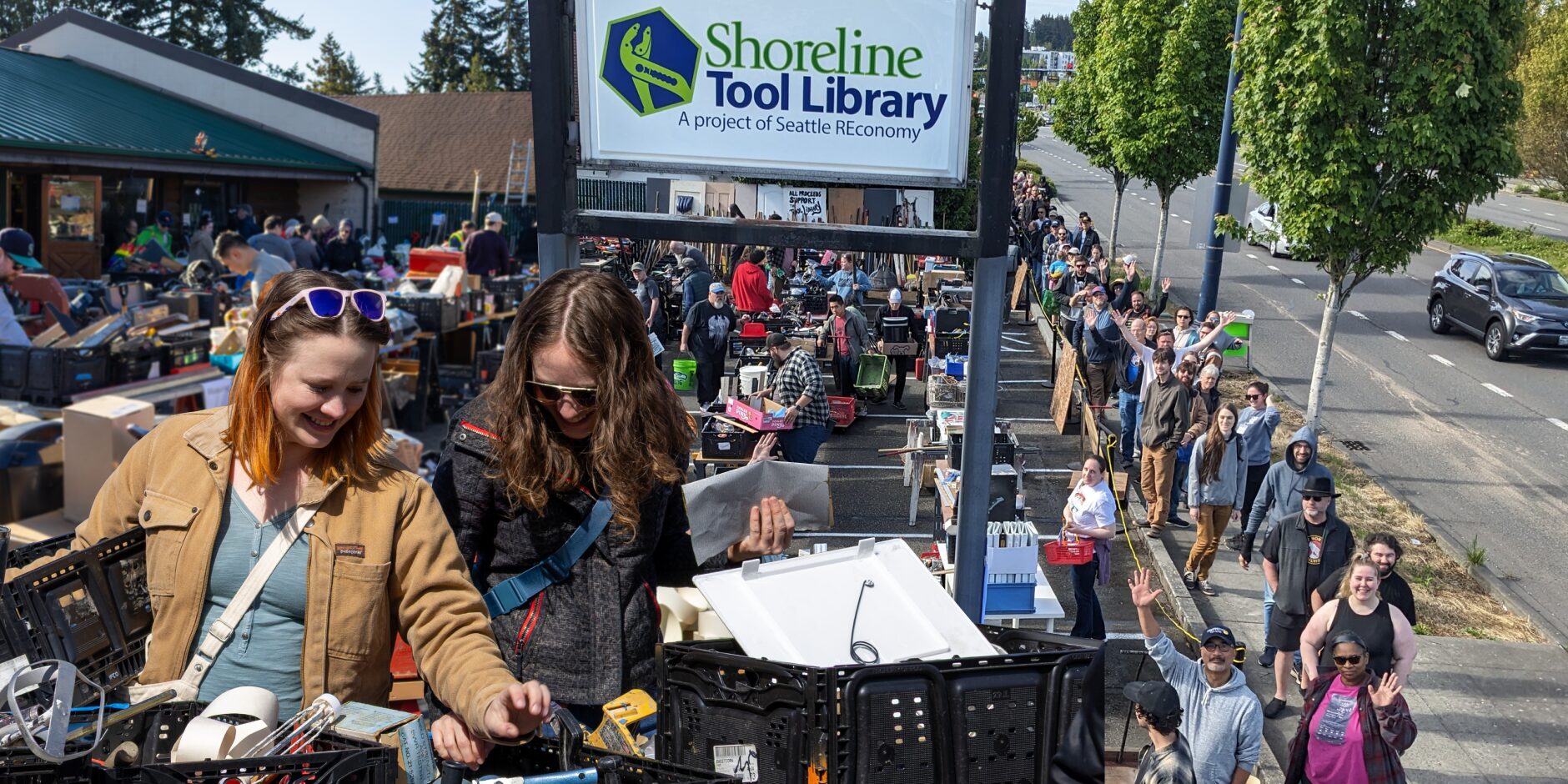
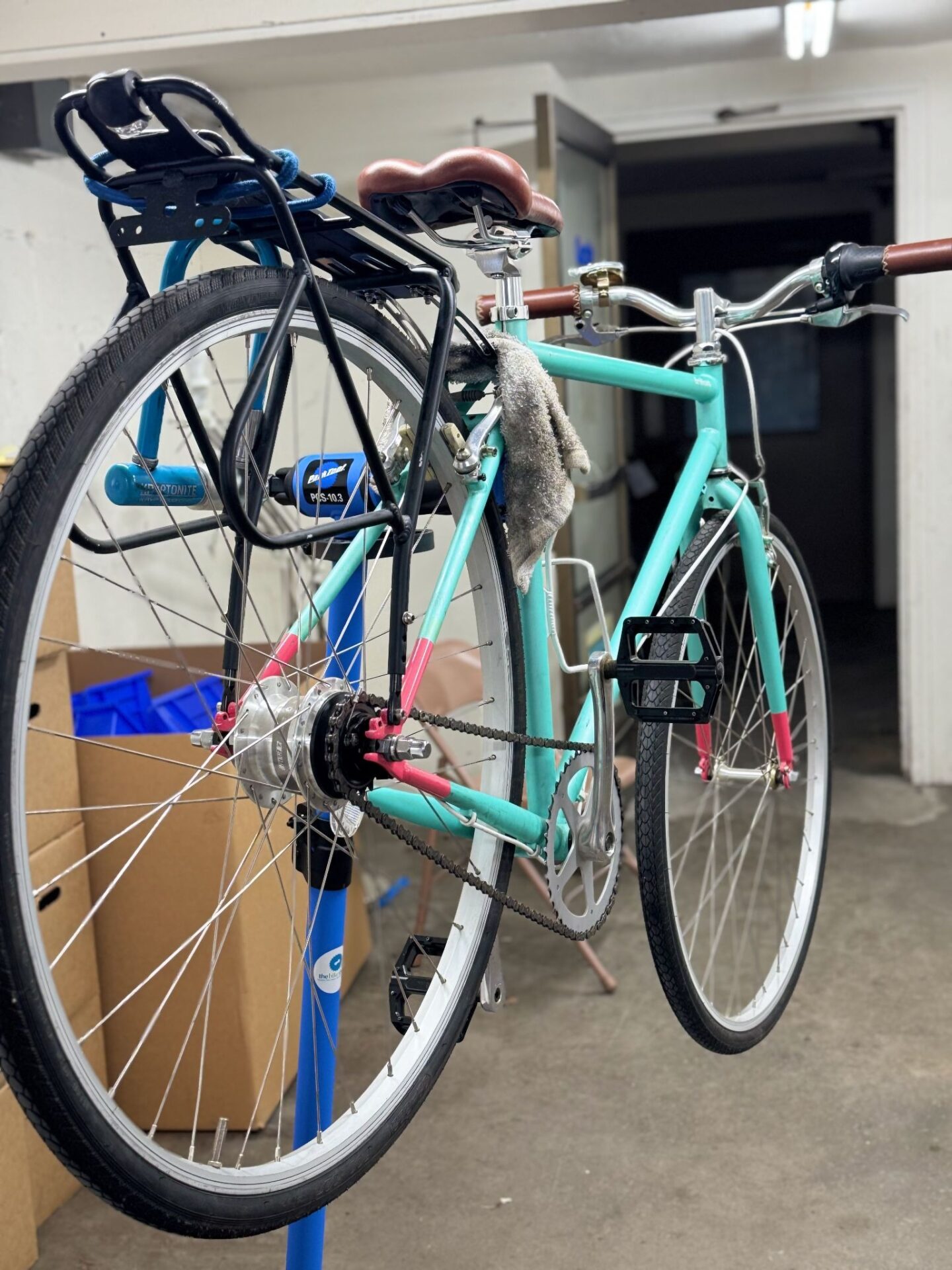
Seattle REconomy is a nonprofit organization working to reduce our community's environmental footprint and increase climate resilience through sharing resources, knowledge, and practical solutions. Our programs include tool libraries, reuse and repair programs, classes and workshops, community events, and other efforts that support a more circular and resilient local economy.
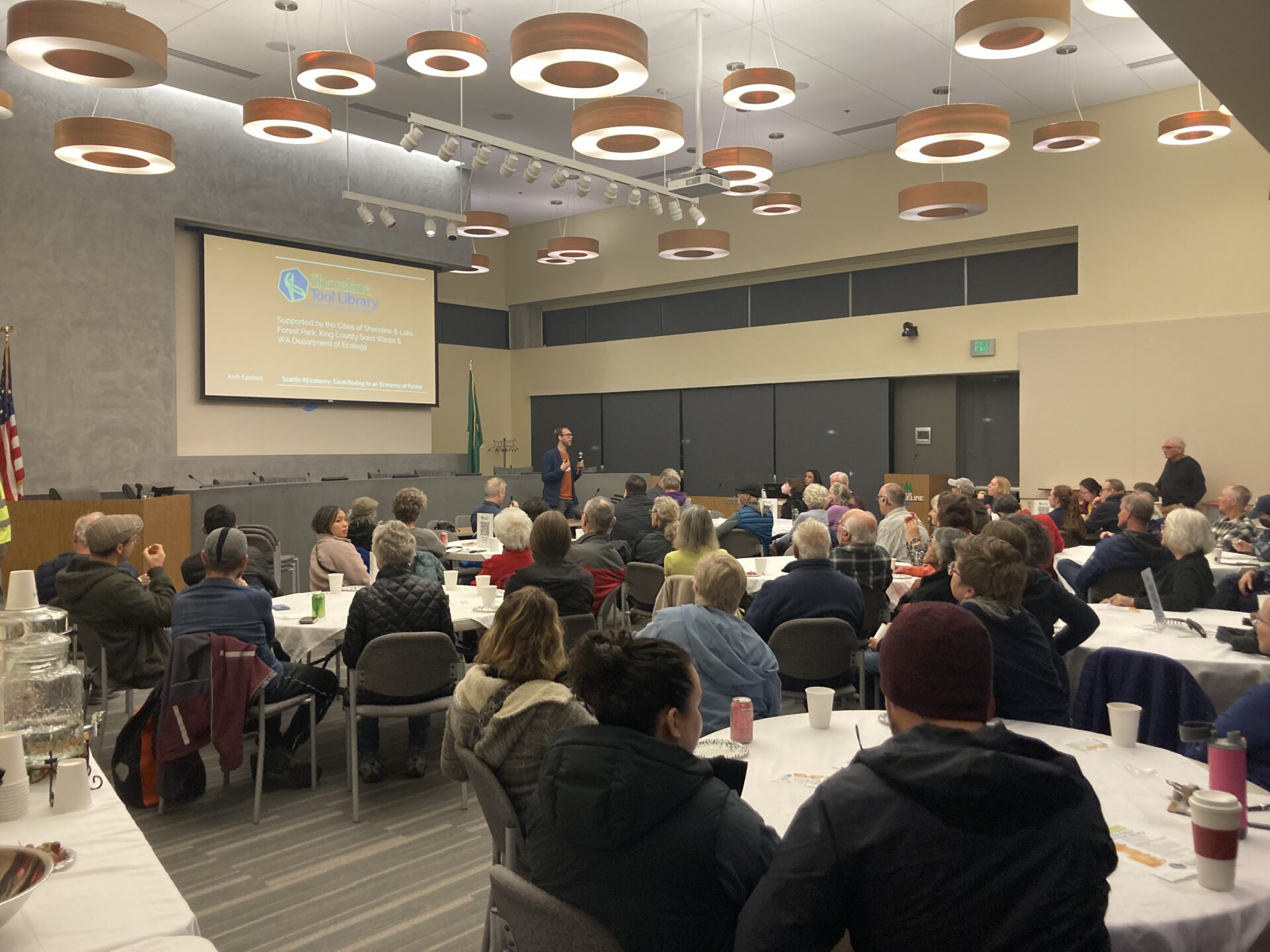
Seattle REconomy has grown substantially from its roots as a largely volunteer-driven organization. As our staff, programs, locations, partnerships, and community reach have expanded, we have been considering not only how much we grow, but how we want to grow including how we strengthen equity, communication, feedback, power sharing, inclusion, and trust within our organization and communities.
We view this training as an initial step in longer-term organizational development. Other efforts related to governance, staff climate, personnel support, organizational culture, and strategic planning are proceeding in parallel
C. Project Goals
Through this engagement, Seattle REconomy seeks to:
- Develop shared language and understanding of equity, inclusion, structural inequity, bias, climate and environmental justice, power, and related concepts that can be applied across organizational roles.
- Build practical skills for navigating communication, feedback, disagreement, conflict, bias, and power dynamics in ways that support an inclusive organizational culture.
- Strengthen participants' ability to recognize how equity and inclusion show up in everyday organizational practice, including decision-making, leadership, supervision, volunteer and member interactions, and community engagement.
- Build a foundation for continued organizational learning, so that equity considerations can increasingly be incorporated into Seattle REconomy's broader work around organizational culture, systems, governance, and community engagement.
D. Scope of Work
We welcome adaptation of existing high-quality curricula and do not expect all training content to be developed specifically for Seattle REconomy. We invite consultants to recommend the specific curriculum, sequencing, and facilitation methods they believe will best accomplish these goals. Potential areas of focus include, but are not limited to:
Foundations and shared frameworks
- Equity, inclusion, bias, and structural inequity including how inequities can emerge through organizational systems and practices without discriminatory intent
- Power and positionality within organizations
- Climate and environmental justice, including how environmental harms, climate impacts, access to resources, and opportunities to participate in climate solutions are distributed across communities
Power dynamics, communication, and conflict
- Communication across differences, including giving and receiving feedback and navigating disagreement and having difficult conversations
- Power dynamics across board-staff, supervisor-staff, staff-volunteer, and staff-community relationships
- Psychological safety and the ability to raise concerns or disagree
- Conflict resolution and repair
- Bystander/upstander skills and responding constructively when concerns of arise
- Accountability that supports both individual responsibility and continued learning
Applying an equity lens to organizational practice
- Recognizing how organizational decisions and processes can affect participation, access, voice, and influence
- Connecting equity principles to leadership, decision-making, organizational culture, and community engagement
- Identifying opportunities for participants to apply learning within their respective organizational roles
These topics are intended to communicate our priorities and are not expected to be addressed comprehensively within every engagement. We welcome consultant recommendations about what can realistically be accomplished within the proposed scope and budget.
E. Training Approach and Audience
- Logistics: We anticipate 2-3 primarily in-person sessions of approximately 2 hours each, delivered over 3-6 months, for a core audience of approximately 20 staff and board members. Selected committee/leadership volunteers may participate where appropriate, and we welcome recommendations regarding sessions that would benefit from broader participation.
- Location: Consultants may be based outside the Seattle region. Because the core training series is expected to be primarily in person, applicants should indicate their ability to travel to Seattle and include any anticipated travel costs in their proposed budget.
We strongly prefer an approach that incorporates case studies, scenarios, facilitated discussion, reflection, and skills practice rather than relying primarily on lecture-based content. Scenarios should be relevant to the realities of a growing community-based nonprofit and may include interactions involving staff, supervisors, board members, volunteers, members, and community partners.
F. Desired Deliverables
The selected consultant will be expected to:
- Meet with designated Seattle REconomy representatives to understand organizational context, goals, and existing work.
- Develop a semi-customized training plan and learning objectives and facilitate the training series
- Provide relevant participant materials, tools, or resources.
- Recommend a practical approach for assessing whether the training achieved its learning goals
Optional follow-up, evaluation, or continued learning opportunities may be proposed and priced separately.
G. Consultant Qualifications
Competitive applicants will demonstrate:
- Experience designing and facilitating DEI learning with nonprofit or mission-driven organizations, including organizational leadership and staff
- Expertise in structural equity, bias, power dynamics, inclusive organizational culture, and related areas
- Skill facilitating conversations about disagreement, conflict, feedback, and accountability; ● Experience using interactive adult-learning methods, including scenarios and skills practice
- Ability to tailor training to an organization's particular mission, structure, community, and stage of development
- Ability to facilitate nuanced conversations that encourage curiosity, reflection, learning, and productive disagreement rather than presenting complex organizational questions as having a single prescribed answer.
Familiarity with climate/environmental justice and the Pacific Northwest context is desirable but not required.
H. Budget and Contract Period
Seattle REconomy anticipates a total budget of $4,000-10,000 for this engagement, including preparation, facilitation, and participant materials. Proposals should include a clear breakdown of fees and the scope of services included within the proposed budget. If the full scope described in this RFP cannot reasonably be accomplished within this budget, applicants should identify what elements can be delivered within the available budget, what modifications to the scope they would recommend, and the additional cost required to deliver the full requested scope.
The anticipated period of performance is winter and spring of 2027
Applicants should identify any anticipated expenses not included in their proposed fee.
Consultants may separately identify optional follow-up services or additional learning opportunities that they believe would complement the core engagement. Optional services should be priced separately and will not be considered part of the required scope.
I. Proposal Requirements
Please submit a proposal including:
- Project team: Names, roles, and brief biographies or resumes of the consultant(s) who would perform the work.
- Approach: Your proposed approach to accomplishing the goals described above, including recommended session structure, content, and methodology.
- Relevant experience: Two to three examples of comparable engagements, particularly with nonprofit or community-based organizations.
- Timeline and availability: Proposed timeline and availability during the anticipated project period.
- Budget: Proposed total fee and a description of what is included (including travel costs if applicable)
- References: Contact information for at least one client for whom you have completed similar work.
- Optional services: Any additional services you recommend should be clearly identified and priced separately
Please submit proposals electronically to info@seattlereconomy.org by October 15th, 2026
J. Selection Process and Timeline
Seattle REconomy's Inclusivity Committee will review proposals, select finalists, and make the final consultant selection.
Anticipated timeline:
| Milestone | Date |
| RFP released | Early September |
| Proposals due | October 16th |
| Finalist notified by | November 1st |
| Finalist interviews | Through November 13th |
| Anticipated project start | January 2027 |
Finalists will be invited to a brief interview with representatives of Seattle REconomy. Interviews will provide an opportunity to discuss the consultant's proposed approach, facilitation style, experience, and fit with the organization's goals.